We know from our trips to the dentist that hygiene is important. We all know how painful it can be if we get it wrong. Unfortunately, our feline friends are not as good at telling us when their teeth are sore or their gums are inflamed, and in a lot of cases the source of pain may be situated below the gumline, hiding in plain sight.
Feline Odontoclastic Resorptive Lesions (FORLs) are painful, inflammatory lesions that can affect cats of any age and breed but typically occur in cats >5 years old. The “resorption” in its name refers to the degradation of dentine (a substance which forms most of the inside of a tooth) and can occur in one tooth or multiple. It causes fractured enamel, tooth pulp exposure and degradation of the tooth roots. This is normally only noticed in cats at later stages when teeth become fractured or chipped, with evidence of gingivitis or thickened flaps of inflamed gum around the base of the tooth crown.
We know this process is very painful for cats when eating – The exposure of tooth pulp leaves nerves and vessels exposed and can be victims of bacterial infections, inflammation and physical trauma. However, our cats have evolved to be good at hiding signs of pain, and dental pain can therefore present subtly or not at all. Cats may want to eat, but could be losing weight, chewing on one side of their mouth, have red gums or just be more grumpy than normal!
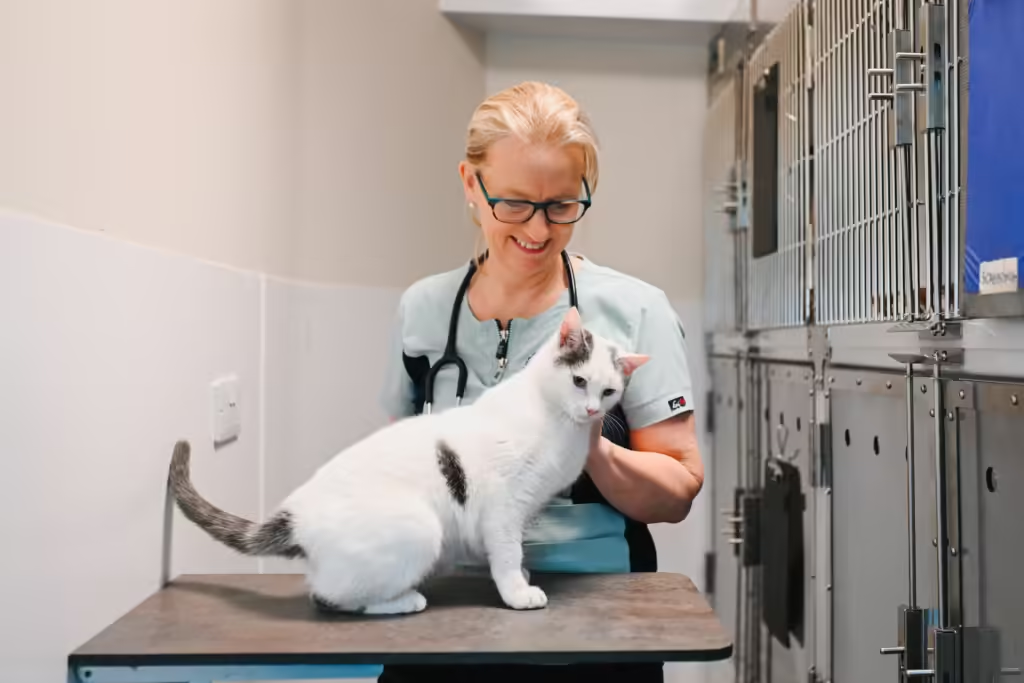
The first step to identifying a lesion is a check with your vet to look for clues of an FORL, using a combination of symptoms and an examination of the mouth. If it looks like your cat has dental disease and FORLs, extractions of the affected teeth arerecommended. We do this under general anaesthetic, for the safety of your cat and to ensure we can remove the teeth without pain.
Because of the ability of FORLs to occur below the gumline, we also recommend dental x-rays to look for signs of early lesions which can be extracted before they become painful.
Once your cat is up and back at home, we suggest good hygiene to help maintain the life of the rest of the teeth. Though no-one really knows what causes FORLs to occur, keeping the teeth and gums as healthy as possible is a step in the right direction. Dental treats, tooth brushing and dental supplements are all available to reduce tartar and bad breath.